

Each time someone in Canada starts a round of Lucky Jet, an old philosophical argument takes off alongside the game’s virtual jet https://aviacasino.games/lucky-jet/. This crash game, famous from coast to coast, throws the concepts of fate and free will into a high-speed clash. The game’s algorithm suggests each round has a fixed, random outcome—pure chance. Yet players wield a moment of pure choice: the decision of when to hit the cash-out button. That tension makes Lucky Jet into a digital arena for a timeless debate. Are players just watching fate unfold, or are they actively guiding their own destiny? The question involves psychology, game design, and how we form decisions when money is on the line.
The core mechanics of Lucky Jet: A game of luck
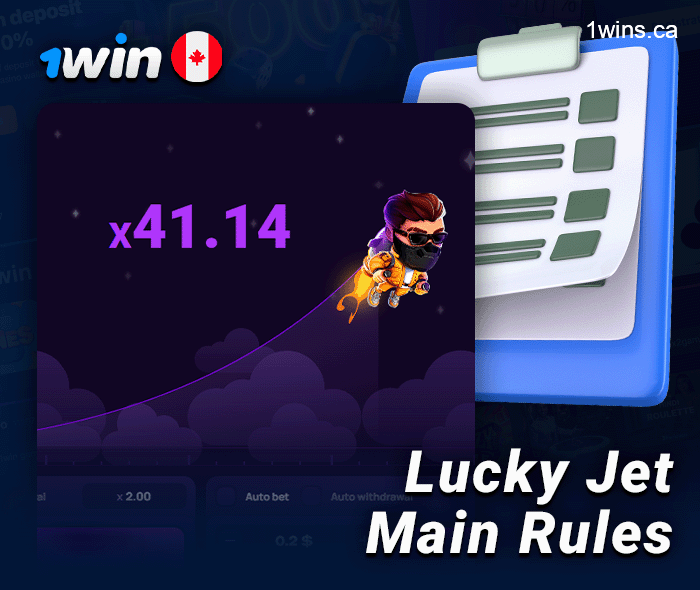
Lucky Jet is powered by sophisticated algorithms built to produce arbitrary, random outcomes. The round commences with a jet starting its climb. A multiplier rises from 1.00x. The jet finally crashes at a random time, returning everything to zero. Players put a bet before the jet takes off. To succeed, they must manually hit “Cash Out” prior to the crash, securing the ongoing multiplier. If the jet disappears before they respond, they sacrifice their bet. This complete process is governed by a Random Number Generator (RNG). In regulated markets, this RNG is certified for fairness, ensuring each flight’s time is autonomous and random. To the player, this is the component of pure chance. The crash point is decided the instant the round starts, buried in the code. No expertise can anticipate the specific moment of the vanish. This anchors one side of the debate securely in the world of preordained results.
The Perception of Control: Gambler Choices in the Moment
Even with that underlying randomness, Lucky Jet expertly fosters a powerful illusion of control. The cash-out choice seems like a genuine act of free will. As the multiplier climbs, a player balances greed against caution, a hunch against cold logic. They are not idle. They are executing a vital choice that alters their result. This emotion of agency is strong. Players create personal rituals or “systems,” like always cashing out at 2.00x or waiting for a specific feeling. These habits strengthen the belief that their will influences the outcome. This sense of control is essential to the game’s grip. It turns a random number generation into a personal duel between the player’s nerve and the game’s hidden fate. The debate starts right at this crossroads.
The Argument of Fate: The Invisible Algorithm
The “predestination” argument relies on the cold logic of computer code. Each Lucky Jet round’s outcome is governed by a complex algorithm before the jet even appears on screen. The RNG disregards a player’s emotions, previous rounds, or payout history. It is an impartial digital fate-spinner. From this perspective, every win and loss is predetermined from the moment the bet is placed. The player’s withdrawal decision is merely a response to a sequence already in motion. It’s like choosing when to step off a moving walkway whose endpoint is already fixed. The multiplier display is merely a visualization of a predetermined outcome. In licensed provinces like Ontario, this randomness is strictly tested and certified, emphasizing the game’s fate-driven core. Here, the player is merely discovering a predetermined result, not producing one.
Free Will’s Counter: The Influence of the Withdrawal Button
Supporters of free will respond with a simple truth: the predetermined crash point means little without human input. The algorithm sets the *potential* landscape, but the player’s action shapes the *actual* outcome. Consider two players in the same session with the same bets. The first withdraws at 1.50x for a modest profit. The other becomes greedy and fails at 1.49x, losing everything. The decisive crash point remained the same for both players. Their financial outcomes, nevertheless, were entirely different because of their own choices. This point, the reasoning goes, represents free will in action. The system delivers a risk environment, and the player guides through it using judgement, discipline, or raw impulse. Their decision directly writes the story of their round. For numerous players, this sense of self-responsibility and hands-on engagement is what renders Lucky Jet greater than a simple game of chance. It becomes a test of character.
Psychological Biases at Play in Canadian-based Players
Canada’s players are equally susceptible to the cognitive biases that influence the fate versus free will perception. The “gambler’s fallacy” is prevalent. After multiple low multipliers, a player might believe a high one is “due,” incorrectly imposing a narrative of fate on independent events. The reverse, the “hot-hand fallacy,” takes place when a player who has cashed out profitably a few times feels their personal luck or skill is in control. Lucky Jet’s fast pace and simple visuals can amplify these biases. The mounting tension and the need for a calculated cash-out action fuel the brain’s desire to discover patterns and exert control over randomness. Recognizing these psychological underpinnings is essential for players who want to engage mindfully. It enables them realize how their own minds blur the lines between chance and choice.
Tactics and Superstitions: Where Beliefs Clash
On message boards and in circles, Lucky Jet players from Canada exchange a mix of pragmatic tactics and strong myths. This mix reveals the conflict of beliefs in action. Common approaches are:
- The Fixed Multiplier Strategy: Withdrawing at a specific, low factor like 1.20x to build small returns. This is based on control over fate.
- The “Double or Nothing” Approach: Having a opening bet run to a larger factor to recoup deficits, a tactic that seems like confronting destiny straight on.
- Session Budgeting: Applying strict money management, a distinct exercise of personal choice to control the general narrative of a gaming period.
- Pattern Seeking: Looking for “trends” in past break points, an effort to interpret and outsmart the system’s destined structure.
No matter if these approaches are mathematically valid or not, they embody tries to impose personal choice on a structure of destiny. They are rituals of control in the face of unpredictability. Their presence emphasizes the human need to find agency within random frameworks.
Ethical Play in the Context of Management
The destiny versus free will debate has concrete outcomes for ethical play in Canada. If a player veers too hard into the “fate” perspective, they might adopt a inactive, defeated mindset. They might think consequences are totally out of their hands, which can result in impulsive loss-chasing. If they misjudge their free will and “skill,” they may assume wild gambles, sure they can outthink the algorithm. A better method accepts the twofold nature. It acknowledges that the crash point is unpredictable and indeterminate—that’s predetermination. It also embraces full accountability of the actions within a player’s control: bet size, cash-out timing, and the vital determination to stop. Canadian officials and safe gambling supporters highlight managing these manageable factors. They suggest establishing deposit limits, using time-outs, and viewing the pastime as funded entertainment, not an earnings stream. This moderate perspective is the most useful implementation of the whole philosophical argument.
Lucky Jet’s in the Wider Canadian Gaming Culture
Lucky Jet’s popularity in Canada is partly due to how it reflects a cultural dilemma. Canadians appreciate games of luck, from national lotteries to casino visits, but they also prize pragmatism and smart options. Lucky Jet finds itself at this intersection. It offers the quick rush of a lottery draw while offering the continuous, active choice of the cash-out feature. It’s a social game where talk centers on “big wins” (fate’s bounty) and “bad beats” where a player “should have cashed out sooner” (a shortcoming of will). This renders it a compelling topic beyond mere gaming. It acts as a digital miniature of a larger debate about how we view influence and luck in our own lives. The game doesn’t solve the discussion. Instead, it provides Canadians a stage to encounter and contemplate it in real time.
Navigating the Double Reality as a Modern Player
The strongest stance for a current Canadian player is to accept Lucky Jet’s twofold reality. Recognize the complete rule of fate over the algorithm’s random output. No hope, strategy, or ideal timing can change the predetermined crash point once a round commences. At the same time, appreciate and employ your free will over everything else. You determine the amount you bet, the point where you claim winnings, how long you participate, and how you react wins and losses. This balanced view turns the game from a philosophical puzzle into a simpler activity. You are engaging with a system of chance, utilizing your judgment to handle its risks. By separating what is destined (the game’s result) from what is willed (your actions and limits), you can enjoy the exhilarating climb of Lucky Jet. You can preserve a steady, responsible, and in the end more rewarding gaming experience crafted for the thoughtful Canadian player.
